Why Do Prices Vary in Switzerland?
The price of a mobile app in Switzerland depends on many factors. Functional complexity is the primary criterion: a showcase app with a few informational screens will not cost as much as an e-commerce platform with integrated payounts, inventory management and push notifications.
The technology choice also plays a decisive role. Developing a native application for iOS and Android separately means two distinct codebases, which roughly doubles development costs. Cross-platform solutions like React Native or Flutter allow code sharing between both operating systems.
In Switzerland, the mobile development market is particularly competitive. Agencies based in major cities like Zurich or Geneva charge higher rates than those in smaller cities or other cantons. However, price does not always reflect quality: a mobile agency in Switzerland can offer excellent value while meeting the most demanding Swiss standards.
The level of design and user experience (UX/UI) also impacts the budget. Custom design with smooth animations and intuitive navigation requires more design time than a standard template. For Swiss SMEs, investing in a polished user experience is often a major differentiator in the local market.
Finally, backend features – authentication, database, third-party APIs, admin dashboards – constitute a significant portion of the total cost. An app connected to external services (CRM, ERP, Swiss payount systems) will require more integration work.
Native vs Cross-Platform – Budget Impact
Native development (Swift for iOS, Kotlin for Android) offers the best performance and full access to the phone's hardware capabilities. It is the ideal solution for apps requiring heavy processing, such as augmented reality, real-time image processing or games.
However, native development means maintaining two separate codebases, which increases initial costs by 40 to 60% compared to a cross-platform solution. For a Swiss SME with a controlled budget, this option is often disproportionate to actual needs.
Cross-platform frameworks like React Native and Flutter have evolved considerably in recent years. They now allow the creation of smooth, performant apps with a single shared codebase between iOS and Android. The time and budget savings are substantial: on average, a 30 to 50% reduction in total development cost.
In both French-speaking and German-speaking Switzerland, more and more companies are opting for cross-platform. This approach allows a first version to be launched quickly, tested on the Swiss market, then iterated based on user feedback. It is a pragmatic and economically viable strategy for mobile development in Switzerland.
My mobile development agency in Switzerland generally recommends cross-platform for SME projects, unless specific technical constraints require native development. This approach offers the best balance between performance, cost and time to market.
How Much Does a Mobile App Cost for SMEs?
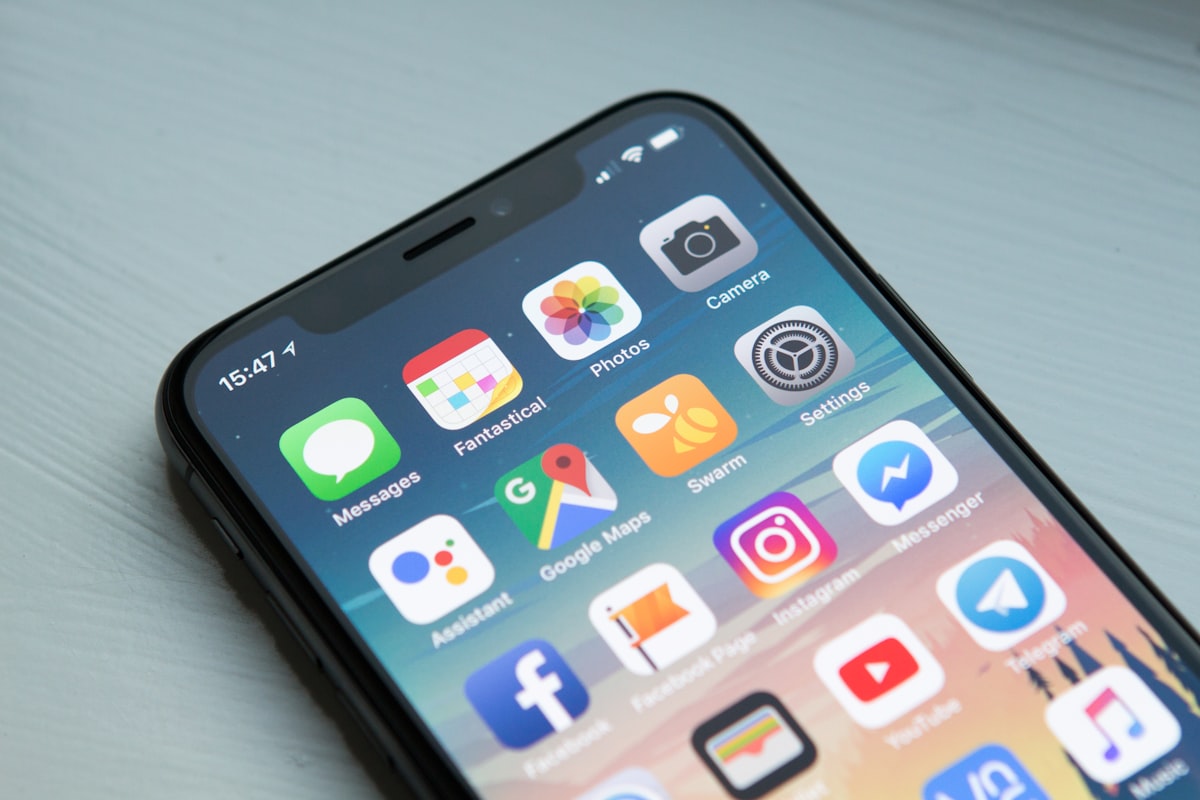
For an SME in Switzerland, the budget for a mobile app varies considerably depending on project ambition. Here is a realistic estimate based on my experience as a mobile agency in Switzerland.
A simple app (showcase, catalogue, contact form) represents an investment of CHF 5,000 to 15,000. It typically includes 5 to 10 screens, responsive design and basic integration with an existing website. This type of app suits local businesses, restaurants and service providers wishing to offer a mobile presence to their clients.
A medium-complexity app (booking, light e-commerce, client portal) sits between CHF 15,000 and 40,000. It includes an authentication system, a custom backend, push notifications and potentially an integrated payount system. This is the most common segment for Swiss SMEs looking to digitise their business processes.
A complex app (marketplace, mobile SaaS, AI-powered application) can exceed CHF 50,000. These projects require robust technical architecture, multiple integrations and often multi-phase development. In both German-speaking and French-speaking Switzerland, these projects are typically led by growing companies seeking a significant competitive advantage.
It is important to note that these ranges correspond to professional-quality development. Offers significantly below these prices often involve compromises on code quality, lack of rigorous testing or generic design that does not stand out in the Swiss market.
Average Budget in French-speaking and German-speaking Switzerland
The mobile development market in Switzerland presents interesting regional disparities. In French-speaking Switzerland (Lausanne, Geneva), rates are generally 10 to 20% lower than those in the Lake Geneva area or Canton Zurich.
Payerne, a city in the heart of French-speaking Switzerland, offers agencies a uniquely strategic position. They can serve clients in both linguistic regions while offering competitive rates compared to major metropolises.
The average daily rate for a mobile developer in Switzerland is between CHF 1,200 and 2,000. This rate varies according to developer experience, technology used and agency location. Agencies outside major urban centres like Zurich and Geneva often offer more accessible rates without sacrificing quality.
For SMEs seeking to optimise their investment, choosing a mobile agency in Switzerland or a medium-sized city can represent a significant saving of 15 to 25% on the total project budget, while benefiting from personalised support and appreciable geographic proximity.
Compared with nearshoring or offshoring, mobile development in Switzerland offers undeniable advantages: direct communication, understanding of the local market, compliance with Swiss data protection regulations (FADP) and verifiable code quality.
How to Reduce Costs Without Sacrificing Quality?
The first strategy to optimise the mobile app development budget in Switzerland is to define a clear MVP (Minimum Viable Product). Rather than integrating all features at launch, focus on the essential functions that bring immediate value to your users.
Choosing a cross-platform framework like React Native or Flutter is a major cost-reduction lever. By sharing code between iOS and Android, you practically halve development time while maintaining a native user experience.
Use managed cloud services rather than developing a custom backend. Solutions like Supabase, Firebase or AWS Amplify allow you to set up robust infrastructure quickly without the costs of complete backend development.
The agile methodology is particularly suited to controlling mobile development costs. Working in two-week sprints with regular deliverables keeps you in control of the budget and allows you to adjust priorities based on market feedback.
Finally, choose a mobile development agency in Switzerland that offers transparent support. At Lamija Karic Consulting in Payerne, I provide detailed quotes with a precise breakdown of features and associated costs. This transparency enables my clients to make informed decisions and plan their investment with confidence.
App maintenance and evolution should also be anticipated from the outset. Well-structured, documented code developed by a serious agency significantly reduces long-term maintenance costs. This is an often overlooked criterion that can make the difference between a profitable project and a financial drain.
Want an Accurate Estimate?
Discover my mobile app development services across Switzerland.
See my mobile serviceLamija Karic Consulting – Mobile app development agency in Switzerland. I help Swiss businesses create high-performance mobile applications, from UX design to iOS and Android deployount.